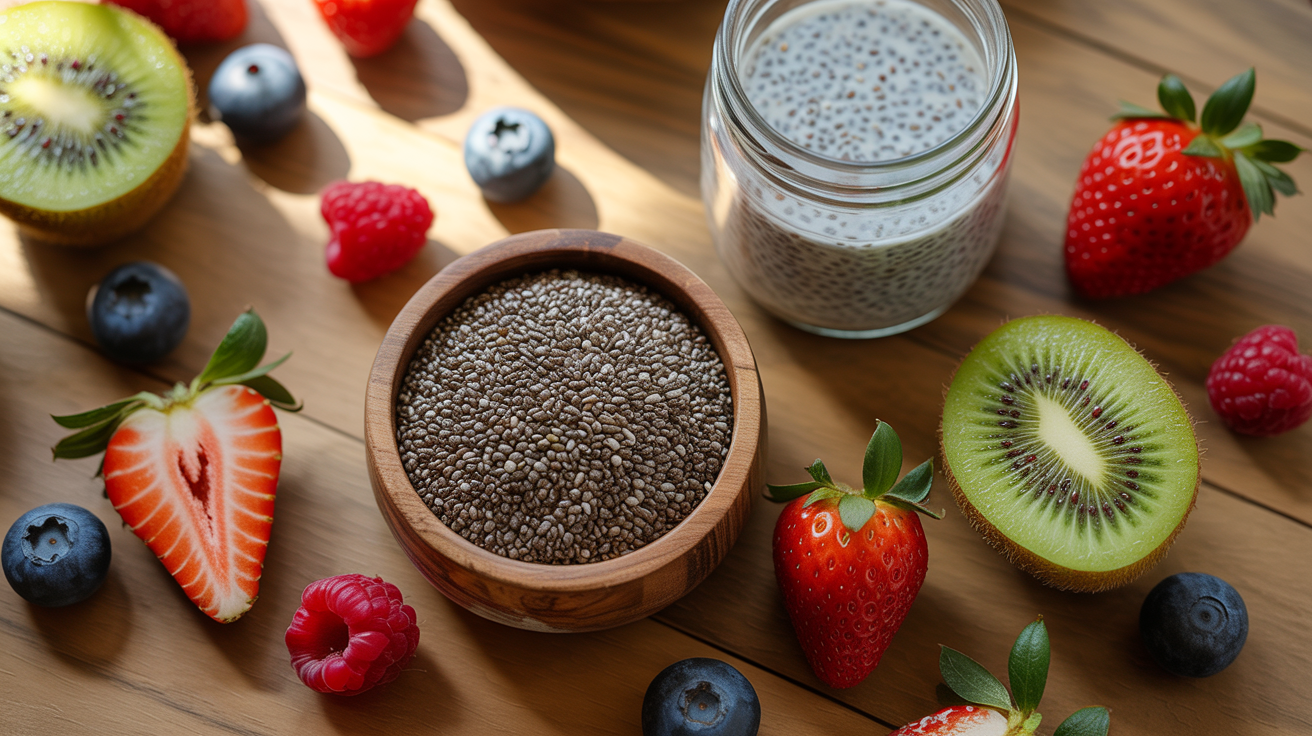
The Complete Guide to Chia Seeds: Benefits, Nutrition & How to Use Them
Chia seeds have earned their reputation as a nutritional powerhouse — and for good reason. Gram for gram, these tiny seeds from the Salvia hispanica plant pack more nutrients than most foods you'll find on a supermarket shelf. But beyond the hype, what does the science actually say? And more importantly, how can you use them effectively in your daily diet?
What Makes Chia Seeds a Superfood?
The term "superfood" gets thrown around a lot, but chia seeds genuinely earn the label. Per 100g, they deliver an extraordinary nutritional profile:
- 2034 kJ of energy — a concentrated fuel source
- 16.4g of protein — impressive for a plant-based food
- 34.4g of dietary fibre — more than most grains and vegetables
- 31.3g of total fat — predominantly omega-3 fatty acids (alpha-linolenic acid)
- Virtually zero sugar — making them suitable for blood sugar management
What's remarkable is the fibre-to-carbohydrate ratio. With 34.4g of fibre against only 8g of glycaemic carbohydrates, chia seeds are one of the most fibre-dense foods available. This makes them particularly valuable for digestive health, satiety, and blood sugar regulation.
Key Health Benefits
From a clinical nutrition perspective, chia seeds offer several evidence-backed benefits:
- Digestive Health — The high soluble and insoluble fibre content supports gut motility, feeds beneficial gut bacteria, and promotes regular bowel movements.
- Heart Health — Omega-3 fatty acids contribute to healthy cholesterol levels and reduced inflammation. Studies suggest regular consumption may support cardiovascular function.
- Blood Sugar Management — The combination of fibre, protein, and healthy fats slows the absorption of glucose, helping to maintain steady energy levels throughout the day.
- Weight Management — Chia seeds absorb up to 12 times their weight in water, forming a gel-like substance that promotes satiety. This can naturally reduce overall calorie intake.
- Bone & Joint Support — Chia seeds contain calcium, phosphorus, and magnesium — all essential minerals for maintaining bone density.
How to Use Chia Seeds Daily
One of the best things about chia seeds is their versatility. They have a mild, neutral taste that blends into almost anything:
- Sprinkle dry onto salads, granola, or yoghurt for a satisfying crunch
- Blend into smoothies or shakes — they thicken naturally and add nutrition without changing the flavour
- Make chia pudding overnight by mixing 3 tablespoons into 250ml of milk or plant-based alternative
- Stir into oats, cereal, or baking mixtures for a fibre boost
- Use as an egg substitute in baking — mix 1 tablespoon with 3 tablespoons of water and let it gel for 5 minutes
Start with one heaped teaspoon (4g) per day and increase gradually. This allows your digestive system to adapt to the high fibre content.
Allergen & Storage Information
Wellnetix Chia Seeds are 100% pure chia seeds with no additives. They contain no known allergens, though they are packed in a facility that processes dairy, gluten, soya, sesame, tree nuts, and wheat. Store in a cool, dry place out of direct sunlight and reseal the bag after each use to maintain freshness.
Ready to add chia seeds to your routine? Wellnetix Chia Seeds come in a convenient 200g pouch — approximately 50 servings of pure superfood goodness.
View Wellnetix Chia Seeds (200g)About the Author
Garth van Veenhuyzen
NAMS Certified Nutrition Consultant — National Academy of Medical Sciences (Flexible Dieting Institute, Dr. Joe Klemczewski)
Combining evidence-based nutrition science with a passion for accessible wellness to help South Africans make informed choices.